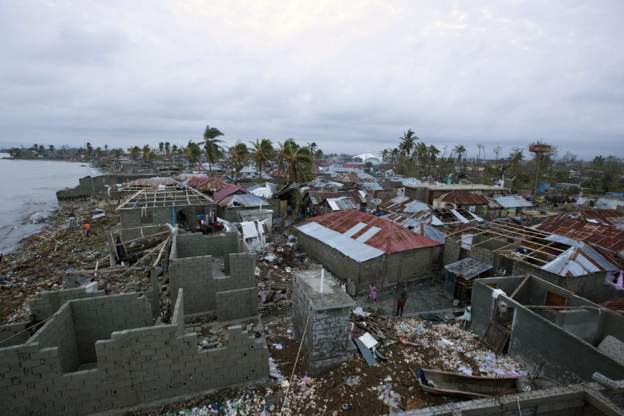
Haiti after Hurricane Matthew
Hurricane Matthew has been tearing through the Caribbean and
the Southeastern coast of America with winds of 140 MPH,
bringing death, damage and devastation. Haiti is the worst
hit, as the eye of the hurricane went directly over the
southern and southwestern portion of the island.
The eye of a hurricane is the most potent, concentrated and
destructive component of the storm. When the eye of a
category 4 or 5 hurricane, goes over land, it usually shreds
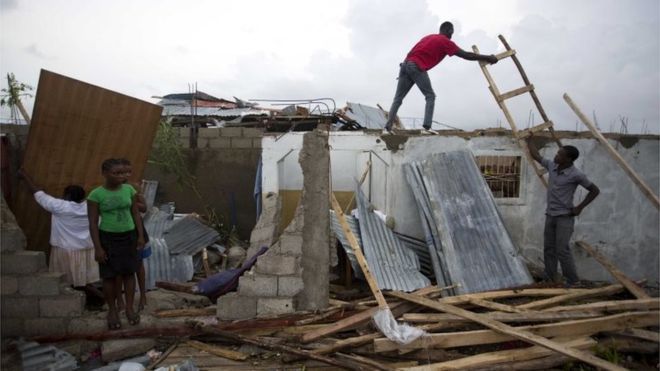
structures and leaves fatalities behind. The death toll in
Haiti is 862 people and counting, which is a significant
amount of fatalities for a hurricane. Many drowned. A bridge
was washed away in the hurricane, leaving survivors stranded
and starving.
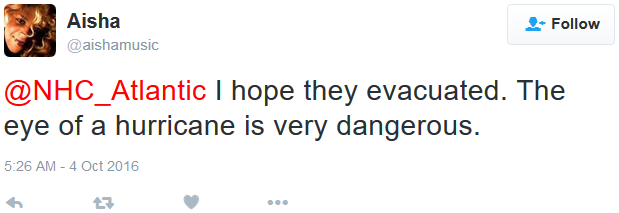
When I read the eye of Hurricane Matthew was headed
for Haiti, I tweeted that I hoped the people evacuated.
Having lived through five hurricanes, including the
devastating Hurricane Andrew, which demolished swathes of
Miami, you learn that the eye is extremely dangerous and it
is best to evacuate from its predicted path.
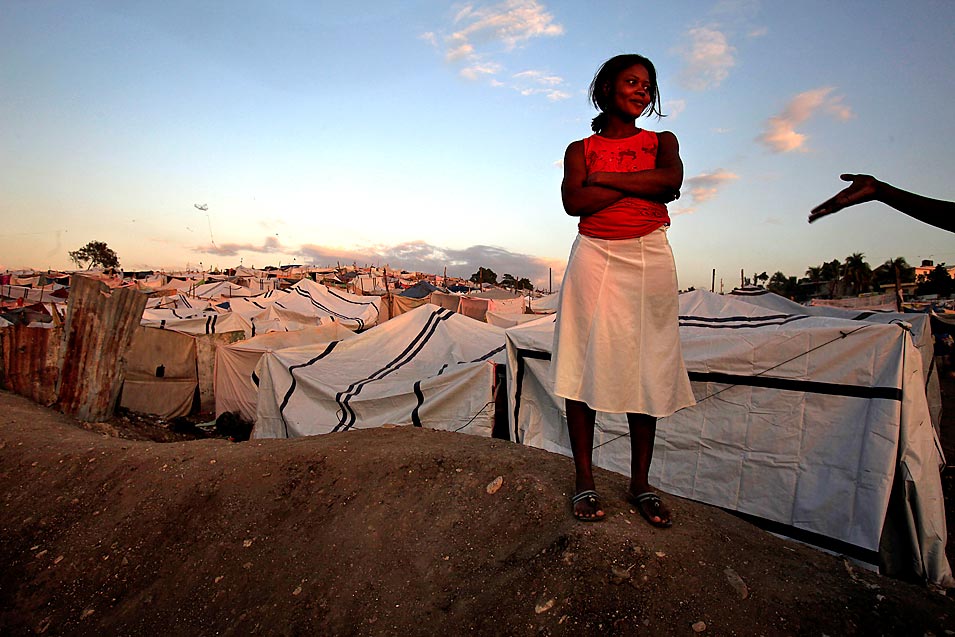
The earthquake of 2010 did a significant amount of damage to
Haiti. As many of you know, the rebuilding funds were
largely stolen by politicians Hillary Clinton and Bill
Clinton (severe legal action needs to be brought against the
Clinton Foundation in court to retrieve the stolen
billions). Therefore, Haiti does not have many adequate
places that can function as a safe hurricane shelter. There
were not many structurally sound places for the people in
the path of the storm to evacuate.
People need to donate whatever money they can to reputable
charities that are aiding Haiti with earthquake relief. Food
For The Poor and Samaritans Purse are two charities helping
Haiti through this difficult time. Donate whatever you can,
whether it be $5, $10, $20, $100, $500 or more. We have to
help them.
As stated on the site previously, Haiti's building code
needs to be revised. They say experience is the best
teacher. When Hurricane Andrew struck Miami is 1992, it
demolished thousands of homes. This led to a change in the
building code. Contractors were forced to use items such as
rebar, to reinforce structures.
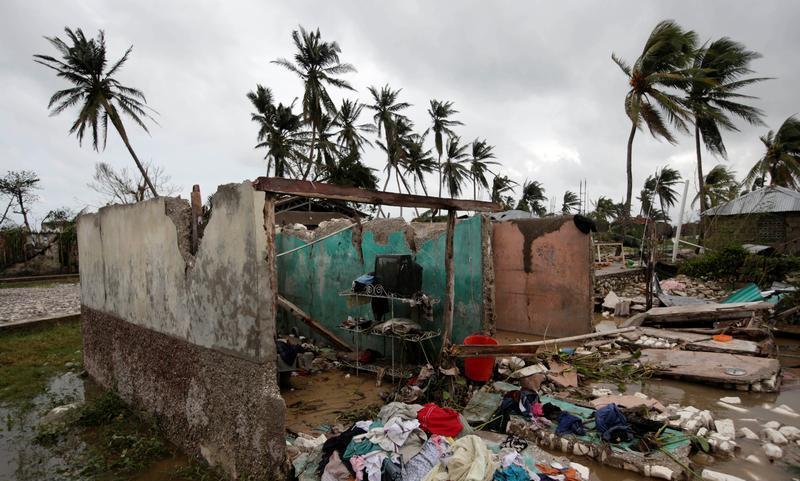
I've noticed photos of homes built in select parts of Haiti
were constructed very close to the water. This is dangerous,
because as waters rise from heavy rains, soil erosion and
flooding will occur. Water is very heavy and can shift a
home from its foundation. This is one of the dangers of
costal building.
After the tsunami hit Thailand in 2004, a documentary
revealed hundreds of years prior, their ancestors left stone
markers in the ground stating do not build beyond this
point, as the waters will advance and wipe out structures.
That's exactly what happened, as people had built homes
beyond the point labeled dangerous, resulting in fatalities.
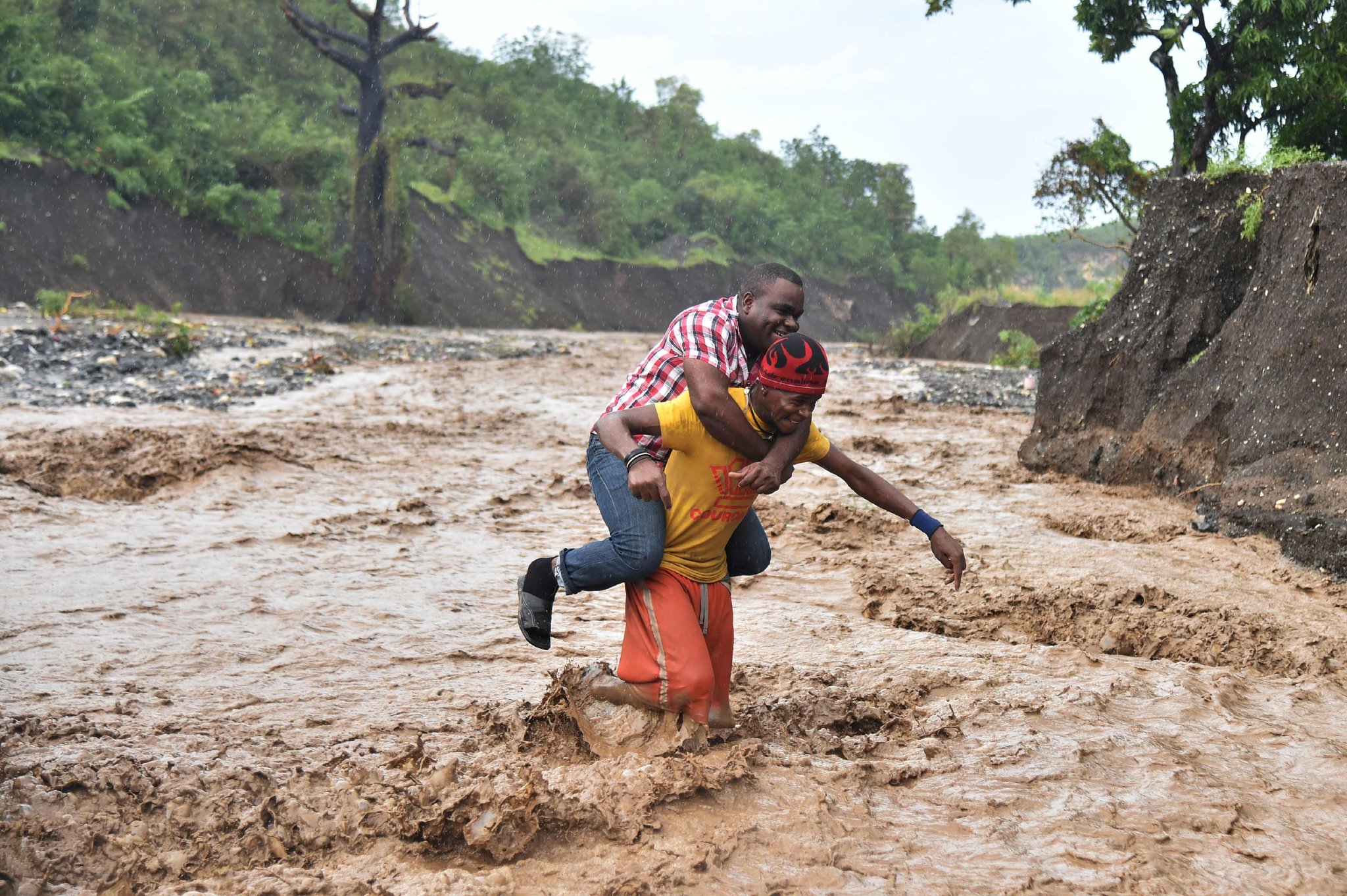
A century ago in the countryside of my homeland of Jamaica,
a few had not paid attention to warnings from their
ancestors not to build on a specific piece of land where a
river used to run, as it could turn fatal. The river was
somehow diverted, but later returned to its old course and
wiped out a handful of homes that had been built in what was
its former path. People in the area reported hearing a loud
noise in the night. There were about a dozen fatalities,
when the river washed the homes away.
Proper geological and seismic surveys need to be done
regarding new homes being built in Haiti. It is best to
avoid areas that have significant fault lines running
underneath them. Rebar should also be used on new homes
being built in Haiti. It is also possible to retrofit homes
to help them withstand earthquakes. In closing, pray that positive changes
will come to Haiti.